Aortic Valve Replacement Short Guide
Surgery replaces a damaged aortic valve to improve blood flow and relieve symptoms. Life quality improves.
Your comprehensive resource on Aortic Valve Replacement Surgery and related topics.
Introduction to Aortic Valve Replacement
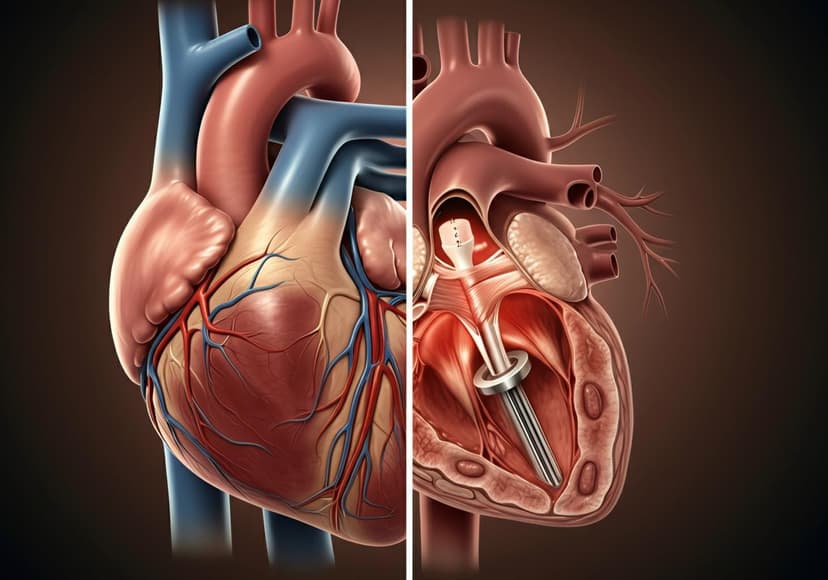
Aortic valve replacement is an essential procedure for patients who suffer from severe aortic valve stenosis or regurgitation. This condition can significantly affect heart function, leading to serious complications. In this guide, we’ll explore the different types of aortic valve replacements, including minimally invasive aortic valve replacement and surgical aortic valve replacement, as well as their respective costs, recovery times, and potential risks.
Types of Aortic Valve Replacement
There are two primary types of aortic valve replacements: mechanical aortic valve replacement and bioprosthetic aortic valve replacement. The choice between the two depends on several factors, including the patient’s age, lifestyle, and overall health. Mechanical valves are designed to last a lifetime, but require lifelong blood thinning medications to prevent clotting. Bioprosthetic valves, on the other hand, may not last as long but do not require these medications, making them a suitable option for older patients.
Aortic Valve Replacement Cost
One of the most common concerns before undergoing aortic valve replacement surgery is the associated costs. The overall aortic valve replacement cost can vary significantly based on several factors, including hospital fees, surgeon’s fees, and the type of valve used. Generally, the cost for surgical aortic valve replacement can range from $30,000 to over $100,000, while minimally invasive options often cost slightly less due to shorter hospital stays.
If you opt for a transcatheter aortic valve replacement, the costs may still be high, but many patients find it to be a worthwhile investment in their health. You can find more detailed financial insights on institutions like the Johns Hopkins Medicine.
Aortic Valve Replacement Recovery Time
After undergoing aortic valve replacement surgery, patients can expect different recovery times depending on the type of surgery performed. Generally, patients who have undergone minimally invasive aortic valve replacement can begin resuming normal activities in a few weeks, while those who had traditional surgical approaches may take up to three months for recovery. Regular follow-ups with your cardiologist are essential to monitor recovery progress and ensure the heart is functioning properly.
Aortic Valve Replacement Risks
Like any major surgery, aortic valve replacement involves certain aortic valve replacement risks. These can include bleeding, infection, and complications related to anesthesia. Moreover, in some cases, patients may experience complications such as blood clots, which can lead to strokes. It's critical to discuss these risks with your healthcare provider for a better understanding.
Aortic Valve Replacement Complications
Despite the high success rate of aortic valve replacements, there can still be aortic valve replacement complications. These include valve dysfunction, which might require additional procedures, as well as arrhythmias. Studies indicate that the aortic valve replacement success rate stands at around 95%, but awareness of potential complications is key to proactive health management.
Aortic Valve Replacement Alternatives
For those who may not be suitable candidates for surgery, there are aortic valve replacement alternatives. These may include medications to manage symptoms or less invasive procedures aimed at improving valve function. It's vital to consult with your healthcare provider to explore the best therapeutic options tailored to your individual needs.
Conclusion
Aortic valve replacement is a significant decision that involves careful consideration of various factors, including cost, recovery, and risks. With the right information and guidance from healthcare professionals, patients can navigate the challenges posed by heart valve issues. Stay informed and proactive about your health. If you want to delve deeper, check out more insights from the NIH on [Aortic Valve Replacement].
Posts Relacionados

1Mds Favorite 5 Supplements For Women
Women should consider these 5 supplements, which are carefully designed by 1MD to enhance wellness.

Aortic Valve Replacement Doctors Perspective
Doctors discuss aortic valve replacement, focusing on patient outcomes and advanced surgical techniques for improved results.
Aortic Valve Replacement Overview
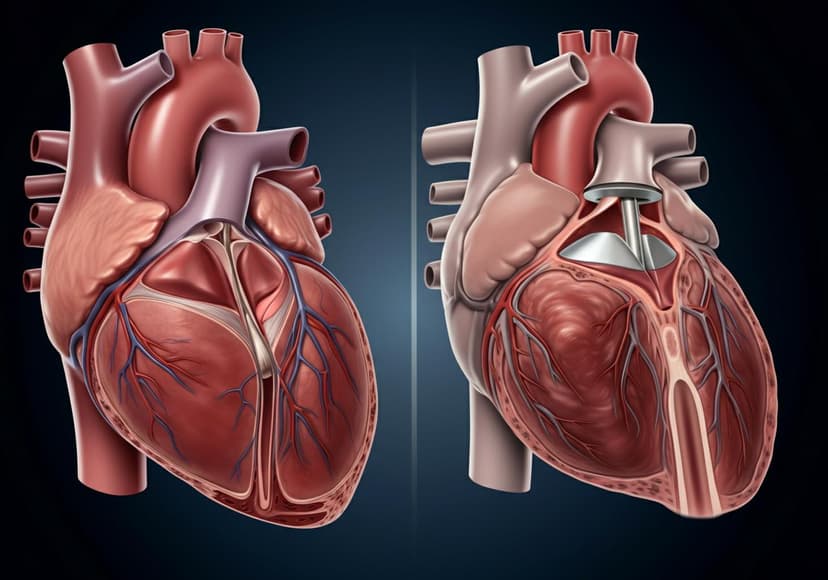
Surgical procedure replaces a damaged aortic valve with a mechanical or biological valve to restore blood flow.