Aortic Valve Replacement Doctors Perspective
Doctors discuss aortic valve replacement, focusing on patient outcomes and advanced surgical techniques for improved results.
Understanding Aortic Valve Replacement
Aortic valve replacement (AVR) is a surgical procedure aimed at fixing or replacing a faulty aortic valve in the heart. This is crucial for improving blood flow and overall heart function. As a heart surgeon, I often hear patients expressing their concerns and questions about the procedure, which is understandable given its significance. Today, I'll break down the different aspects of Aortic Valve Replacement Options, highlighting details about the surgery, risks, recovery, and more.
Aortic Valve Replacement Surgery Explained
There are primarily two types of Aortic Valve Replacement Surgery: traditional open-heart surgery and Minimally Invasive Aortic Valve Replacement. The latter offers several advantages, such as smaller incisions and reduced recovery time. During the procedure, a damaged valve is removed and either repaired or replaced with a mechanical or biological valve. The choice between these options often depends on the patient’s age, health status, and specific needs.
Procedure Insight
The Aortic Valve Replacement Procedure is performed under general anesthesia. It typically lasts several hours, and the method chosen will impact factors like Aortic Valve Replacement Cost and recovery time. It's essential to consult with an experienced Aortic Valve Replacement Specialist to understand the best course of action tailored to the individual's circumstances.
Minimally Invasive vs. Open Surgery
Minimally Invasive Aortic Valve Replacement has gained popularity due to its benefits. Larger incisions from traditional surgery often mean longer recovery times and increased Aortic Valve Replacement Complications. Patients undergoing minimally invasive procedures usually experience less pain and quicker returns to everyday activities. However, it's crucial to discuss the best approach with your surgeon to understand what aligns with your medical situation.
Understanding the Costs
The costs associated with Aortic Valve Replacement can vary widely based on location and the specific medical facilities involved. On average, the Transcatheter Aortic Valve Replacement Cost can run into several tens of thousands of dollars, taking into account pre-operative care, the surgery, and post-operative follow-ups. It's best to consult your Aortic Valve Replacement Hospital to gain clarity on the financial aspects of your care.
Recovery Time and What to Expect
Aortic Valve Replacement Recovery Time can differ from patient to patient. Generally, those undergoing traditional surgery could take around 6–12 weeks to fully recover, while those choosing minimally invasive options might bounce back in a shorter span. Post-operative care is crucial and includes monitoring for any Aortic Valve Replacement Risks or complications, which can range from infection to valve malfunction.
Potential Complications and Risks
As with any surgical procedure, Aortic Valve Replacement Complications can occur. It's essential to be aware of the potential risks, including blood clots, bleeding, and infection. While these risks are relatively low with modern techniques, they are still a consideration for anyone undergoing the surgery. Understanding these risks helps patients make informed decisions about their Aortic Valve Replacement Options.
Conclusion: The Importance of Consultation
Aortic Valve Replacement is a significant procedure with several options tailored to individual needs. Whether you’re considering traditional open-heart surgery or looking into minimally invasive techniques, consulting with a skilled Aortic Valve Replacement Specialist can provide you with valuable insights. For detailed insights and further reading, I recommend visiting Penn Medicine's Aortic Valve Repair and Replacement Surgery page and articles from NEJM, such as this study on transcatheter techniques.
Stay informed and take charge of your heart health. The right information can lead to the best choices for your condition.

Posts Relacionados

1Mds Favorite 5 Supplements For Women
Women should consider these 5 supplements, which are carefully designed by 1MD to enhance wellness.
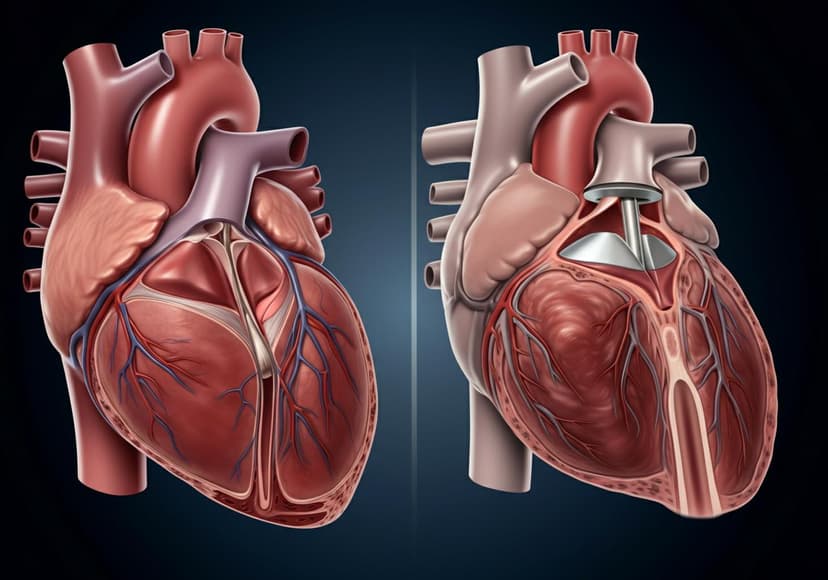
Aortic Valve Replacement Overview
Surgical procedure replaces a damaged aortic valve with a mechanical or biological valve to restore blood flow.
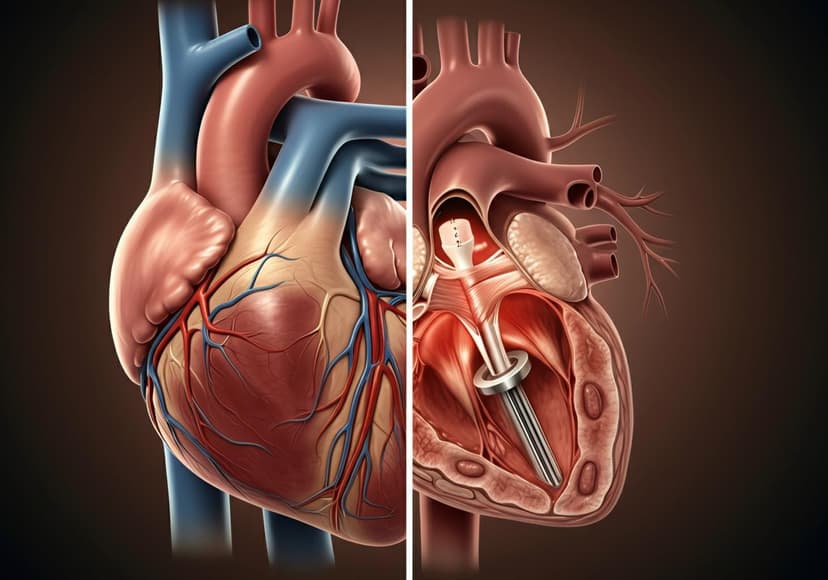
Aortic Valve Replacement Short Guide
Surgery replaces a damaged aortic valve to improve blood flow and relieve symptoms. Life quality improves.