Contractor Insurance Basics
Protecting against liability is key. Policies cover risks, safeguard assets, and ensure financial security for contractors.
For contractors, understanding the ins and outs of insurance can be crucial to running a successful business. With various types of Contractor Insurance Basics, it's essential to know what you need and why. Not all insurance is created equal, and different projects might require different coverage. Let's break down the key types of insurance every contractor should consider.
General Liability Insurance
First on the list is General Liability Insurance. This type of insurance protects contractors from claims resulting from injuries and accidents that occur on the job site. Any contractor operating without this coverage is putting themselves at risk. Imagine a client slips and falls or their property gets damaged; without general liability, the costs could be devastating.
Professional Liability Insurance
Next up is Professional Liability Insurance, often referred to as Errors and Omissions Insurance. This insurance is particularly important for contractors who offer professional advice or services. If a client believes your services didn’t meet their expectations — even if you've done everything by the book — they could file a lawsuit. This coverage will help protect you against such claims.
Workers' Compensation Insurance
Then there’s Workers' Compensation Insurance, which is vital if you have employees. This insurance provides coverage for medical expenses and lost wages for workers who get injured on the job. Not to mention, many states require businesses to have this coverage. By investing in workers’ comp, you’re protecting your crew and your business from potential financial strain.
Commercial Auto Insurance
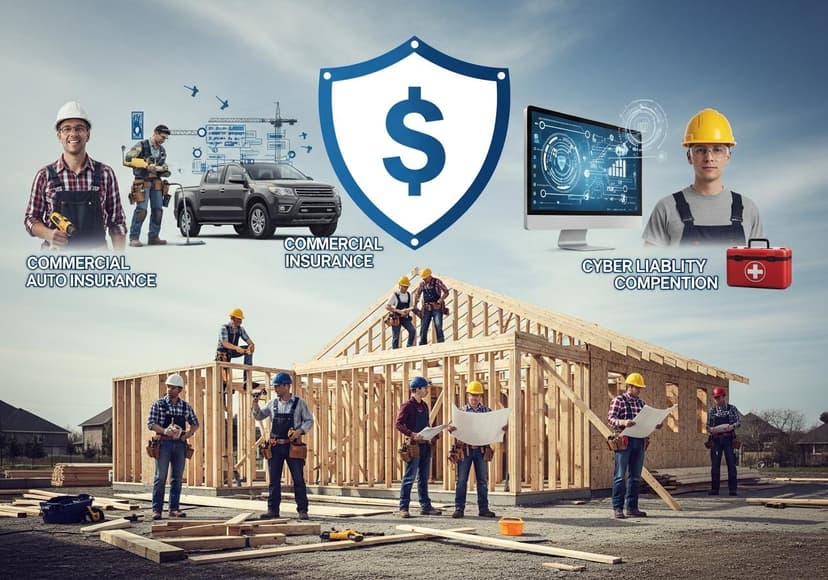
If your work involves driving to different job sites, you should definitely consider Commercial Auto Insurance. This is specifically designed for vehicles used for business purposes. It covers liability and potential damages incurred while you or your employees are driving work vehicles. It ensures that you won’t be left in a lurch should an accident occur on the job.
Cyber Liability Insurance
In our digital age, Cyber Liability Insurance has become increasingly relevant, even for contractors. If you store sensitive client information digitally, this insurance protects against data breaches and cyberattacks. With the growing threat of online hacking, having this coverage is a smart move to safeguard your business and clients.
Property Insurance
Whether you own office space or store equipment, it's essential to have Property Insurance. This insurance covers damage or loss to your physical property due to events like theft, fire, or vandalism. Without it, replacing tools or repairing a damaged office could set you back significantly.
Umbrella Insurance
For an added layer of protection, consider Umbrella Insurance. This policy kicks in when liability limits on your other insurance policies have been reached, providing additional coverage. Imagine a massive lawsuit that exceeds your general liability policy; umbrella insurance helps fill that gap, ensuring you're not financially devastated.
Surety Bonds
Moving on to Surety Bonds. These are not insurance in the traditional sense but are crucial for contractors. A surety bond ensures that you will fulfill your contractual obligations. If you fail to deliver, the bond guarantees that your clients will be compensated. This kind of assurance can be a determining factor for clients when hiring a contractor.
Builder's Risk Insurance
If you’re engaged in construction, Builder's Risk Insurance is a must. This insurance covers a building in progress, protecting against risks like theft, fire, and weather-related damages before the project is completed. Without it, a disaster during construction could jeopardize the entire project and lead to significant financial loss.
Errors And Omissions Insurance
Also known as Errors And Omissions Insurance, this coverage protects you from claims of negligence related to your professional services. If a client is unhappy with your work and files a claim against you, this insurance can cover legal fees and potential settlements, ensuring your business can continue running smoothly.
Equipment Breakdown Insurance
Last but not least, let’s delve into Equipment Breakdown Insurance. This insurance covers repair or replacement costs of essential equipment that breaks down due to mechanical failure. As a contractor, your tools and machines are your lifeline. If an essential piece of equipment fails unexpectedly, this coverage can help you get back to work without catastrophic financial consequences.
Conclusion
In sum, understanding the basics of contractor insurance is paramount for success in the industry. From General Liability Insurance to Equipment Breakdown Insurance, each policy plays a critical role in protecting your business. Whether you're a seasoned contractor or just starting, ensure you have the right insurance to safeguard your investments. For more specialized coverage, check out Artisan Insurance to help tailor a plan that meets your specific needs. Your business deserves it!
Posts Relacionados
10 Easy Energy Saving Habits For Your Home
Conserve energy at home: unplug electronics, use LED lights, adjust thermostat, seal windows, and embrace efficient appliances.

10 Tips For Home Energy Savings
Optimize home energy usage with these strategies for reduced bills and a smaller environmental impact.

3D Modeling Tools Beginners Guide
Discover user-friendly tools. Learn to create digital models, and bring your creative visions to life.